What are the common features of modern hearing aids?

Exploring the Advanced Features of Modern Hearing Aids

Modern hearing aids have undergone a significant evolution. Gone are the days when hearing aids were merely amplifiers. Hearing loss can significantly impact one’s quality of life, making it difficult to engage in conversations, enjoy music, or participate in social activities. Today’s advanced technology has revolutionized the capabilities of hearing aids, offering a range of features designed to address various challenges faced by individuals with hearing impairments. From noise reduction to Bluetooth connectivity, these features are revolutionizing the way people interact with their environment and communicate with others. Common features of modern hearing aids include noise reduction, directional microphones, Bluetooth connectivity, rechargeability, and now the ability to pair with smartphones like iPhones and Android devices.
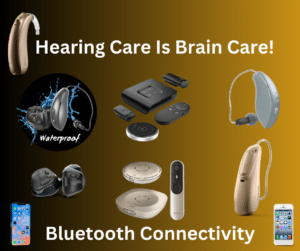
Advanced Features such as:
Noise Reduction: Noise reduction technology is a game-changer for individuals with hearing loss, as it helps to filter out background noise, allowing users to focus on speech sounds. This feature utilizes sophisticated algorithms to distinguish between speech and non-speech sounds, thereby improving speech clarity in noisy environments such as restaurants or crowded gatherings.  Noise reduction helps mitigate the effects of background noise, making speech more intelligible.

Directional Microphones: Directional microphones are designed to pick up sounds coming from specific directions while minimizing background noise from other directions. By focusing on the speaker in front of the user, directional microphones improve speech intelligibility, especially in situations where there is competing noise from different directions.  Directional microphones enhance speech clarity by focusing on the desired sound source.

Bluetooth Connectivity: Bluetooth connectivity enables seamless integration of hearing aids with various electronic devices such as smartphones, tablets, and televisions. This feature allows users to stream audio directly to their hearing aids, enhancing their listening experience while watching movies, making phone calls, or listening to music. Additionally, Bluetooth connectivity enables users to control their hearing aids remotely via dedicated smartphone apps, providing greater convenience and customization.  Bluetooth connectivity improves accessibility and connectivity, enabling users to stay connected with the world around them.

Rechargeability: Rechargeable hearing aids eliminate the hassle of constantly replacing disposable batteries. With rechargeable batteries, users can simply place their hearing aids on a charging dock overnight, ensuring they have a full day of usage without worrying about running out of power. This feature not only simplifies maintenance but also reduces environmental waste associated with disposable batteries. Rechargeability eliminates the inconvenience and cost associated with traditional disposable batteries, promoting consistent usage.

Modern hearing aids offer customizable settings and programmability to cater to the unique needs and preferences of each user. Audiologists can fine-tune various parameters such as volume, frequency response, and microphone sensitivity to optimize the user’s listening experience. Additionally, many hearing aids feature automatic adaptive technology that adjusts settings in real-time based on the user’s environment, ensuring optimal performance in different listening situations.  The integration of advanced features in modern hearing aids has significantly enhanced the user experience and improved overall satisfaction. Users report greater comfort, clarity, and convenience compared to traditional analog devices. With the ability to customize settings, connect wirelessly to electronic devices, and enjoy all-day rechargeable power, individuals with hearing loss can now engage more fully in social interactions, work environments, and recreational activities.

Modern hearing aids represent a remarkable fusion of cutting-edge technology and user-centric design. By addressing specific challenges, offering customizable settings, and enhancing user satisfaction, modern hearing aids are empowering individuals to embrace clarity and reconnect with the sounds of life.

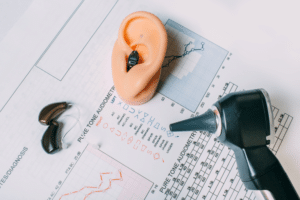
Signs You Might Need Hearing Aids

Understanding the Importance of Auditory Health

Hearing is a crucial aspect of our daily lives, connecting us to the world around us through sound. Yet, it’s easy to take this sense for granted until it starts to diminish. Whether due to aging, exposure to loud noises, or underlying medical conditions, hearing loss can gradually creep up on us. Recognizing the signs that indicate a need for hearing aids is pivotal in addressing potential auditory issues and maintaining overall well-being.

Signs of Hearing Loss: 

  1. Difficulty Understanding Conversations: Struggling to comprehend speech, especially in noisy environments, can be a primary indicator of hearing loss. If you find yourself frequently asking others to repeat themselves or misunderstanding what’s being said, it might be time to consider a hearing assessment.
  2. Social Withdrawal: Untreated hearing loss often leads to feelings of isolation and withdrawal from social activities. If you’re avoiding gatherings or conversations because you find them exhausting or challenging to follow, it could be a red flag for hearing impairment.
  3. Increasing Volume: Do you frequently crank up the volume on your TV, radio, or electronic devices? Needing higher volumes than others to hear comfortably suggests potential hearing loss. Pay attention if loved ones comment on the loudness of your media consumption.
  4. Ringing or Buzzing Sounds: Tinnitus, characterized by ringing, buzzing, or hissing noises in the ears, often accompanies hearing loss. While not always directly related, experiencing persistent tinnitus warrants a visit to an audiologist for further evaluation.
  5. Difficulty with Phone Conversations: Struggling to hear or understand conversations over the phone might signal hearing impairment. This difficulty arises because phone conversations lack visual cues, making it harder to fill in missed words or phrases.
  6. Fatigue and Strain: Constantly straining to hear can lead to fatigue and mental exhaustion. If you find yourself feeling tired after social interactions or concentrating intensely on understanding speech, it could indicate an underlying hearing issue.
  7. Family History: Genetics can play a significant role in predisposing individuals to hearing loss. If hearing impairment runs in your family or if relatives have experienced hearing-related issues, you may be at a higher risk and should monitor your auditory health closely.
  8. Changes in Behavior: Loved ones are often the first to notice changes in behavior associated with hearing loss. If friends or family members express concerns about your hearing or communication difficulties, it’s essential to take their observations seriously and seek professional advice.

If you identify with any of the signs mentioned above, scheduling a comprehensive hearing assessment with an audiologist is the next step. Audiologists are trained professionals specializing in diagnosing and treating hearing-related conditions. During the assessment, they’ll conduct various tests to evaluate your hearing abilities and determine the appropriate course of action.

The Benefits of Hearing Aids:

While the thought of wearing hearing aids might seem daunting, embracing these devices can significantly improve your quality of life. Modern hearing aids are discreet, comfortable, and equipped with advanced features to enhance sound clarity in various environments. By addressing hearing loss early and proactively, you can enjoy:

  1. Improved Communication: Hearing aids amplify sounds, making it easier to follow conversations and engage in social interactions confidently.
  2. Enhanced Cognitive Function: Addressing hearing loss can help preserve cognitive function and reduce the risk of cognitive decline associated with untreated hearing impairment.
  3. Increased Safety: Being able to hear warning signals, alarms, and approaching vehicles is crucial for staying safe in everyday situations.
  4. Emotional Well-being: Regaining the ability to fully participate in conversations and social activities can boost self-confidence and reduce feelings of isolation and depression.

Ignoring signs of hearing loss can have far-reaching consequences on your overall health and well-being. By recognizing the signs early and seeking professional help, you can take proactive steps to address auditory issues and improve your quality of life. Whether it’s through hearing aids, assistive devices, or other interventions, prioritizing your auditory health is essential for staying connected to the world around you. Don’t let hearing loss hold you back – take the first step towards better hearing today.

How Do Hearing Aids Work?

Hearing loss can have a significant impact on one’s quality of life, affecting communication, social interactions, and overall well-being. Fortunately, advancements in technology have led to the development of hearing aids, which can help individuals with hearing loss regain their ability to hear and participate fully in daily activities. In this guide, we’ll explore how hearing aids work, the key components that make them function, and the various types available to meet different needs.

Hearing Aids Amplify Sound Waves: At their core, hearing aids work by amplifying sound waves, making them louder and clearer for the wearer. When sound enters the ear canal, it causes the eardrum to vibrate. These vibrations are then transmitted through the tiny bones in the middle ear to the cochlea, a fluid-filled organ responsible for converting sound vibrations into electrical signals that the brain can interpret.

Basic Components of a Hearing Aid:

Microphone: The microphone is the part of the hearing aid that picks up sound from the environment. It converts sound waves into electrical signals.

Amplifier: The amplifier receives the electrical signals from the microphone and amplifies them to a level that is appropriate for the individual’s hearing loss.

Receiver: The receiver delivers the amplified sound to the ear canal, where it is then transmitted to the cochlea.

Battery: The battery powers the hearing aid and allows it to function properly.

Modern hearing aids often incorporate digital signal processing (DSP) technology, which allows for advanced signal processing to enhance sound quality and clarity. DSP enables hearing aids to differentiate between speech and background noise, suppress feedback, and adjust amplification levels based on the wearer’s listening environment. This sophisticated technology helps individuals hear more clearly in various situations, from quiet conversations to noisy environments like restaurants or crowded events.

Different Types of Hearing Aids and Their Functionalities:

Behind-the-Ear (BTE): BTE hearing aids are worn behind the ear and are suitable for individuals with mild to profound hearing loss. They are known for their durability and versatility.

In-the-Ear (ITE): ITE hearing aids are custom-made to fit inside the outer ear. They are less visible than BTE models and are suitable for mild to severe hearing loss.

In-the-Canal (ITC): ITC hearing aids are smaller than ITE models and fit partially in the ear canal. They are suitable for mild to moderate hearing loss and offer a more discreet option.

Completely-in-Canal (CIC): CIC hearing aids are the smallest and most discreet type, fitting completely inside the ear canal. They are suitable for mild to moderate hearing loss.

Hearing aids play a crucial role in improving the quality of life for individuals with hearing loss. By amplifying sound waves, utilizing advanced digital signal processing, and incorporating various types and functionalities, hearing aids can help individuals hear more clearly and participate fully in conversations and activities. If you or a loved one are experiencing hearing loss, consult with a qualified audiologist to explore the best hearing aid options for your needs and lifestyle.

What’s The Process Of Buying Hearing Aids?

The first steps to improving your hearing and quality of life is having your hearing tested and choosing hearing aids.

When you receive your hearing aids, you will need to have them fitted specifically to your loss to ensure they optimize your hearing potential. The hearing aid fit process usually requires just one appointment with three follow up appointments to get your hearing aids feeling comfortable and providing the correct level of sound. You could spend an hour having your hearing aids fit for the first time. You may attend further appointments to have your hearing aids adjusted. This is a very common process when auditory rehabilitation is recommended.

Programming Your Hearing Aids

Before your hearing professional can fit your hearing aids, they need to be programmed. Using your specific hearing exam, they will change the settings using special software so that they are programmed for your ears. It is always recommended to bring someone with you like a loved one that you talk to on a daily basis so their voice and be used to validate that you are hearing certain pitches and tones that you have been missing.

Another part of this fitting process is checking that your hearing aids feel comfortable. This means both that they feel physically comfortable in or behind your ear, and that they provide a comfortable level of sound. Your hearing professional might ask you to answer some questions to determine whether you are hearing the sound as you should. It should be clear and pleasant, although it might not sound exactly like it did before your hearing loss. Your hearing professional should be knowledgeable of your specific loss to counsel and guide you throughout your hearing journey.

Using Your Hearing Aids

Ask Questions! Your hearing aid fitting appointment is a great opportunity to learn all about your hearing aids. You will be using them daily, it’s recommended that you where them at least 8 hours everyday so understanding how to use them and how to care for them is essential. You will learn how to put your hearing aids in and how to take them out again, as well as how to control the volume and other settings. You will also learn how to change the batteries if they are not rechargeable. There are many features with todays new hearing aid technology like Bluetooth and streaming phone calls or music.

Your hearing professional can help you with how to care for your hearing aids too. They can talk to you about how to clean them and store them, as well as what you can do if you have any problems with them. Most people find it helpful to bring someone to their appointment, who can help them to remember the information that they are given. You can also ask for written instructions on how to care for your hearing aids or take some notes to help you remember. It can take a while to become comfortable with using your hearing aids, but in time you will become a pro!

Wearing Your Hearing Aid Is Like Taking Your Brain To The Gym

Wearing your hearing aids can feel strange at first, the physical feeling of wearing them and the sound that you receive. It’s not unusual to find the sounds that you rediscover overwhelming. There can be some things that you have not heard for a long time. You might feel many emotions about wearing your hearing aids and hearing things differently. Being honest with your hearing professional will help them to make the right adjustments. An average adjustment period for someone new to hearing aids is 2 weeks to 2 months. Just think, if you haven’t heard sound at a normal level in 5 or maybe 25 years your going to need to start with lower adjustments and then slowly increased over time to your prescriptive levels. Think about it like exercise for your brain. If you wanted to run 10 miles you don’t start day one trying to run 10 miles you start with a shorter distance and slowly increase your muscles get stronger. Think of your brain like a Hearing Muscle!

When you first start to use your hearing aids, you might only start wearing them for a few hours each day. It can be overwhelming if you wear them for too long, especially as your brain needs to adjust to the new sounds. As you start to use them more, you will get used to them. You will attend further appointments to adjust your hearing aids, which will help your hearing get back into shape. The first fitting is often just a first step, and you can later perfect how your hearing aids are programmed. Having a positive attitude and practicing with your hearing aids can make a big difference.

If you are or have been experiencing difficulty hearing CALL NOW we would love to help you get your hearing back! Absolute Hearing Care Centers are happy to offer a FREE consultation and give you all the information you need to make an informed decision.

CALL NOW: 843-839-1936

When Is Hearing Loss Irreversible?

When you learn you have loss of hearing, the first thing that most people ask is will I get it back? Whether it will or not depends on several factors.

There are two types of loss of hearing:

Obstructed hearing loss is when there’s something blocking your ear canal, you can show all the signs of hearing loss. This can be caused by a wide range of things, from earwax to tumors but the good news is, your hearing usually returns to normal after the obstruction is clear.

The other kind of hearing loss is the kind that is a result of damage. This is the more common type of hearing loss that makes up nearly 90 percent of hearing loss. Clinically this is known as Sensorineural Hearing Loss, this form of hearing loss is often permanent. To explain: there are little hairs in your ear (cochlea) that vibrate when hit by moving air (sound waves). These vibrations are then changed into an electro-chemical response and sent to your brain, your brain then translates the signals into the sounds that you hear. As time passes, your hearing can be permanently damaged by loud noises.

Sensorineural hearing loss can also be caused by damage to the nerves or to the inner ear. Cochlear implants can help improve hearing in some cases but are only recommended for those who have a specific extreme case of hearing loss.

Whether hearing aids will help improve your hearing can only be determined by getting a hearing examination.

Treatment Of Hearing Loss

Sensorineural hearing loss has no cure. But it might be possible to get treatment for your hearing loss. The following are ways that you can get the correct treatment to help you:

Don’t push your hearing health to the side. Successfully dealing with any of the symptoms of hearing loss you might be having is the best preventative measure you can take.
Stay socially engaged! Isolation equals lack of stimulation. Your brain needs more stimulation not less as we get older.
Preserve and protect the hearing you still have.
Your hearing is important to your quality of life.
Prevent mental decline.
There are many ways of coping with a hearing loss. One of the simplest treatments is also one of the most common: hearing aids.

Prevention Is The Best Defense

If you can’t depend on recovering from hearing loss, you should focus on protecting the hearing you’ve got. Of Course, if you have something stuck in your ear canal, more than likely you can have it removed. But loud noises are hazardous even though you may not think they are very loud. That’s why it’s a good idea to take the time to protect your ears. The better you safeguard your hearing today, the more you prevent the possibilities of creating damage that will eventually lead you to be diagnosed with a hearing loss. Recovery is usually not an option but treatment can help you keep prevent further loss and get back into hearing what you have been missing out on.

If you are or have been experiencing difficulty hearing CALL NOW we would love to help you get your hearing back! Absolute Hearing Care Centers are happy to offer a FREE consultation and give you all the information you need to make an informed decision.

CALL NOW: 843-839-1936

What’s the difference between Getting “Fit” VS. Being “Sold” Hearing Aids?

Local providers get many new patients from big box stores all the time.


The main reason is a hearing aid is a complex and advanced medical device, not a temporary accessory to be picked up alongside your groceries.

Many times, getting your hearing device from a big box store means you’re missing out on valuable services such as hearing aid programming, custom fit devices, regular maintenance, and other aftercare benefits. These are services that are essential to ensuring your hearing aid is properly treating your individual hearing loss and preventing your hearing loss from further deteriorating or worse, possibly damage your hearing even further.

Many individuals are tempted to turn to big box stores in search of a bargain. We can’t blame people for being bargain shoppers but price should not be the single deciding factor when selecting a hearing aid. We’ve all heard the old adage “You get what you pay for.”

Personalized Hearing Health Care

Utilizing the services of a local hearing provider means receiving personally tailored services long after you take your hearing aid home. Not only will a local hearing provider make certain you have selected the correct device for your level of hearing loss but they will also custom fit, program, and teach you how to fully utilize your new device. On top of all that, they can provide cleaning and maintenance services, performance updates, and conduct annual hearing tests to help you record and monitor your hearing loss.

If ever you have a question or concern regarding your hearing aid, you can be certain a local hearing provider will be there to assist you. Try calling the customer support line at a big box store and you will soon learn they are not the qualified hearing professionals you may have thought them to be.

Lack of Post-Purchase Services

Many large retail stores do not offer any services past the point of sale. This means if your hearing aid ever requires unique maintenance, adjustment, or cleaning (and they certainly will) you will be forced to pay for these extra services out of pocket.

Even worse, if a retailer does not have a hearing health care specialist on staff, you will have to ship your hearing aids to the manufacturer for maintenance. This could leave you without your hearing devices for possibly weeks and without a loner device while you wait.

Choose Personalized Patient Care & Hearing Health

Bottom line; when you buy your hearing aids from a big box store, you really don’t know what you’re getting. A quality device? A fair price? Professional care? Probably not. But buying your hearing aids through a local hearing health care provider gives you peace of mind and professional compassionate care. Be certain you are getting all the focused hearing health care, reputable hearing devices, and the services you’ll need to support your hearing for the long term.

Choosing your hearing aid is not a decision that should be made lightly. You will be relying on it a lot, after all. Start your journey towards better hearing health with the help of highly trained professionals. We promise high-quality hearing aids paired with high-quality service, take charge of your hearing health today by scheduling a comprehensive hearing test with your local hearing health specialist.

CALL NOW: 843-839-1936

Does hearing loss affect me socially?


If you or a loved one has untreated hearing loss, your brain is already working harder than someone without hearing loss.

Untreated hearing loss takes more energy:

  • It’s harder for the brain to interpret the signals from the inner ear.
  • Your brain is constructing meaning from missed sounds.
  • Energy spent guessing at what’s been said.
  • Figuring out context for missed words.
  • Reading lips and concentrating on facial gestures and body language.

All that extra effort can leave you feeling drained by the end of the day. And because the energy spent offsetting hearing loss is diverted from other parts of the brain, cognitive functions like problem-solving and memory can also suffer.

Studies show that untreated hearing loss can negatively impact our relationships with family and friends and particularly with those closest to us, such as our romantic partners. Research is pretty clear that untreated hearing loss can be a major source of stress, especially among couples.

Hearing aids can reduce social fatigue.

If hearing aids are recommended, they will ease listening effort in social situations.

Hearing aids isolate the sounds you want to hear and put the sounds you don’t want to hear in the background. While it’s not possible to restore lost hearing completely, hearing aids help fill in the gaps for your brain that hearing loss creates.

Hearing aids assist by:

  • Making it easier to hear sounds and speech in different listening environments.
  • Amplifying sounds you want to hear.
  • Reducing background noise.

If you already have hearing aids

It’s important that you don’t  “get by”  with your current hearing aid settings if they’re not working optimally in this listening environment. Adjustments can be made that will help you hear better.

 A Hearing Professional will:

  • Adjust hearing aid settings for trouble in background noise.
  • Set your hearing aids to your specific prescriptive level.
  • Explain program settings for a temporary volume boost or added clarity.
  • Show you accessories such as remote microphones that pair to your hearing aids and help you hear a single speaker in a noisy environment like a coffee shop.
  • Set up Bluetooth™-enabled hearing aids to stream calls, TV, and music.

If you are or have been experiencing difficulty hearing CALL NOW we would love to help you get your hearing back!  Absolute Hearing Care Centers are happy to offer a FREE consultation and give you all the information you need to make an informed decision.

CALL NOW: 843-839-1936


Can my hearing ever improve on it’s own?


When you discover that you have loss of hearing, the first thing that most people think is will I get it back? The reality is, it depends.

Some wounds the human body usually has no problem mending. Like cuts, scrapes, or broken bones. But you’re out of luck when it comes to fixing the tiny nerves in your ears/cochlea. Scientists are working on it, but humans don’t heal the cilia in their ears the same way animals can. For people, if you injure these little hairs or the auditory nerve, you might have permanent loss of hearing.

90 percent of hearing loss is accounted for by what is known as sensorineural hearing loss, this kind of hearing loss is usually permanent. To explain: When hit by sound or sound waves, tiny little nerves in your cochlea vibrate. These vibrations are then changed, by your brain, into impulses that you hear as sound. Now, loud sounds can damage the hairs and, over time, permanently diminish your hearing, but so can a low constant sound as well. Sensorineural hearing loss can also be from injury or a virus to the nerve as well. In certain cases, specifically in instances of extreme loss of hearing, a cochlear implant could help improve hearing.

Sensorineural hearing loss presently has no cure. But it might be possible to get treatment for your loss of hearing.

Whether hearing aids will help improve your hearing can only be determined by having a hearing specialist preform an exam.

Hearing at your best is more critical than ever today— If you think it might be time to get your hearing tested or just have questions and want real answers, please don’t wait. Contact us today to schedule time with one of our licensed specialists. It’s Absolutely Free!

CALL NOW: 843-839-1936

How often do I need to change my hearing aids?


That’s a great question! “Over the years we’ve addressed this question with many of our patients and their loved ones”.

On average a hearing device should typically be replaced about every three to six years or so.

The answer is usually a bit more involved. Several factors may figure into whether it’s time you update your hearing instruments.

⦁ Level of the hearing instrument technology
⦁ Condition and performance of your existing hearing devices
⦁ Quality of Care and Maintenance throughout use
⦁ Potential changes in your hearing ability or listening lifestyle

Potential signs you need new hearing technology:

Your Level of Hearing Has Changed

Your hearing changes over time because of age, loud sounds, or other health issues. Most often we can make adjustments to your programming, but sometimes your hearing changes so much that you require an advanced level of technology.

Technology is always Evolving

Now Hearing Aids have advanced background noise filtration, no need to replace rechargeable batteries any more, tinnitus software, Bluetooth streaming from most Smartphones and Tablets.  Even detection for falling, built-in voice translation, and many more features depending on the device.

Your Device is Malfunctioning

You’ve been good to your hearing aids. You do all the recommended maintenance, but things still aren’t right: Replaced batteries drain quickly or the charge doesn’t last long; sound is still muffled after a through cleaning. A repair may be needed from time to time, but regular malfunctions mean it’s time to replace your devices.

New Interests or Lifestyle Changes

When your lifestyle changes, your tech might need to also. Became more active or start an exercise program? You’ll probably need moisture resistance. New Job? You’ll likely experience a different noise level now.

Hearing at your best is more critical than ever today— If you think it might be time to update your hearing devices or just have questions and want real answers, please don’t wait. Contact us today to schedule a Free Consultation with one of our licensed specialists.

CALL NOW: 843-839-1936

‘World Report on Hearing’, from the World Health Organization

Did you know that there are currently around 430 million people around the world that require help for hearing loss?

The World Health Organization (WHO) estimates that by 2050, 700 million will require access to ear and hearing care! That’s a big increase. To better understand the current and future of hearing health, WHO published its first ‘World Report on Hearing.’ Reports like these are critical to not only professionals in the hearing industry but for the everyday person as well. Aging, disease, genetics, and injury-related hearing loss are difficult to prevent, nearly 100% of noise-induced hearing loss is preventable.

Let’s see what WHO found:
Almost 60% of hearing loss among children can be prevented through measures such as:
Immunization for prevention of rubella and meningitis
Improved maternal and neonatal care
Screening for, and early management of, otitis media – inflammatory diseases of the middle ear

In adults, hearing loss can be prevented through:
Noise control
Safe listening
Surveillance of ototoxic medicines
Good ear hygiene

Proactive and preventative care is essential to maintaining good hearing health:

Conduct hearing screenings at strategic points in life to identify loss as early as possible
Utilize recent technology advancements to identify hearing loss
Use timely and appropriate treatment
Get properly fitted for personal hearing technology (i.e. hearing aids)
Overall, the report concludes the most essential part in hearing health among individuals is that hearing care is not integrated into national health systems. This can make finding the proper care a little more difficult to find and navigate. At Absolute Hearing Care Centers, we are committed to helping people hear their best and will guide you along your hearing journey!

Please Contact us today to learn more about how we can help.
(843) 839-1936

Read the full WHO report here: https://www.who.int/publications/i/item/world-report-on-hearing